For women in Kagnobon, a village in Senegal’s Casamance region, access to drinking water had long been a challenge. Women often carried the responsibility of finding water for their families, adding to the demands of everyday life.
Today, a community borehole is helping change that.
The borehole was established with support from Citizen Actions for Climate and Conservation (A3C), an organisation led by Sadou BA, who has spent years working with communities in Casamance on climate change and environmental conservation.
“I still remember the day we installed and put the borehole into service. Seeing the joy and relief on the faces of the women was a very powerful moment for me,” BA recalls.
The work in Kagnobon is part of a wider effort by A3C to help communities respond to climate change while protecting the natural resources on which their livelihoods depend.
BA was already involved in climate action before joining Cohort IV of the Nairobi Summer School on Climate Justice. He was working with young people and local communities on climate change awareness, mangrove restoration, women’s empowerment and community resilience.
At the same time, he was pursuing a PhD in Public International Law, specialising in environmental law and climate change.
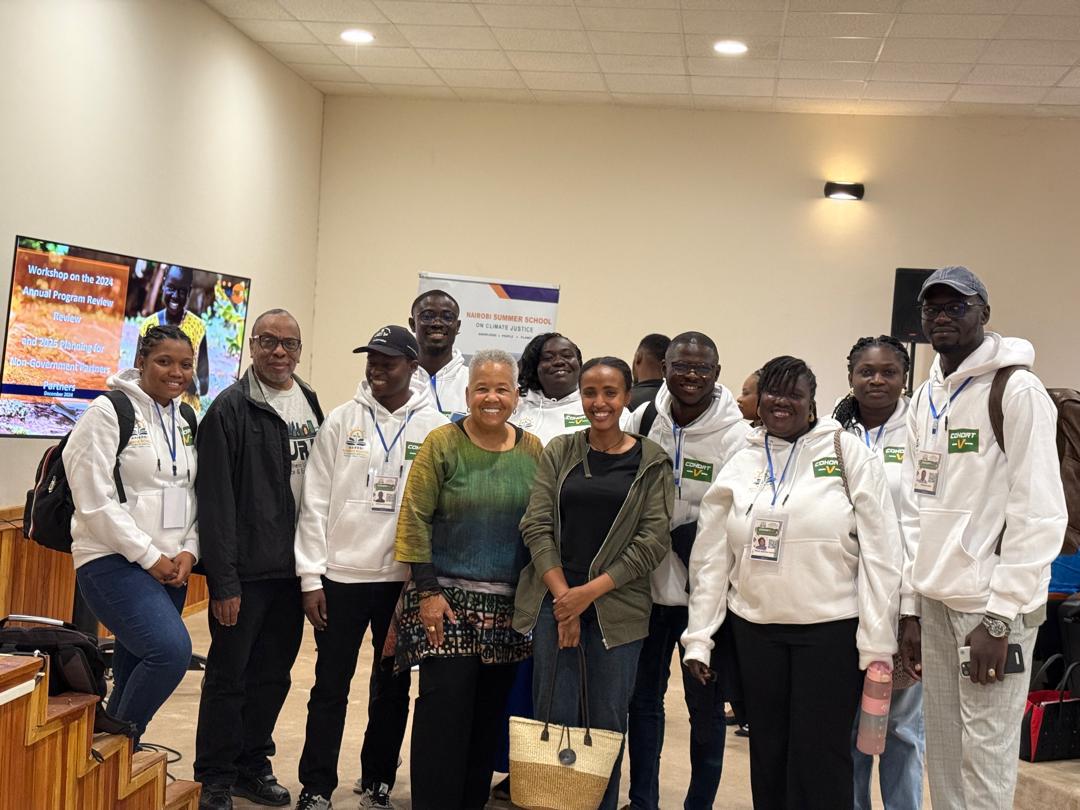
He came to the Nairobi Summer School looking to deepen his understanding of climate justice, learn from experiences across Africa and connect with other young climate leaders working on similar challenges.
The experience strengthened his understanding of what climate action should look like at community level.
“The most important lesson I learned at the Summer School was that climate action must be rooted in justice, community leadership and local realities,” BA says.
The lesson also changed how he viewed the role of communities in climate action.
For BA, women and young people should not simply be beneficiaries of climate projects. They should have a voice in decisions and play an active role in developing and leading solutions.
That thinking has become part of A3C’s approach.
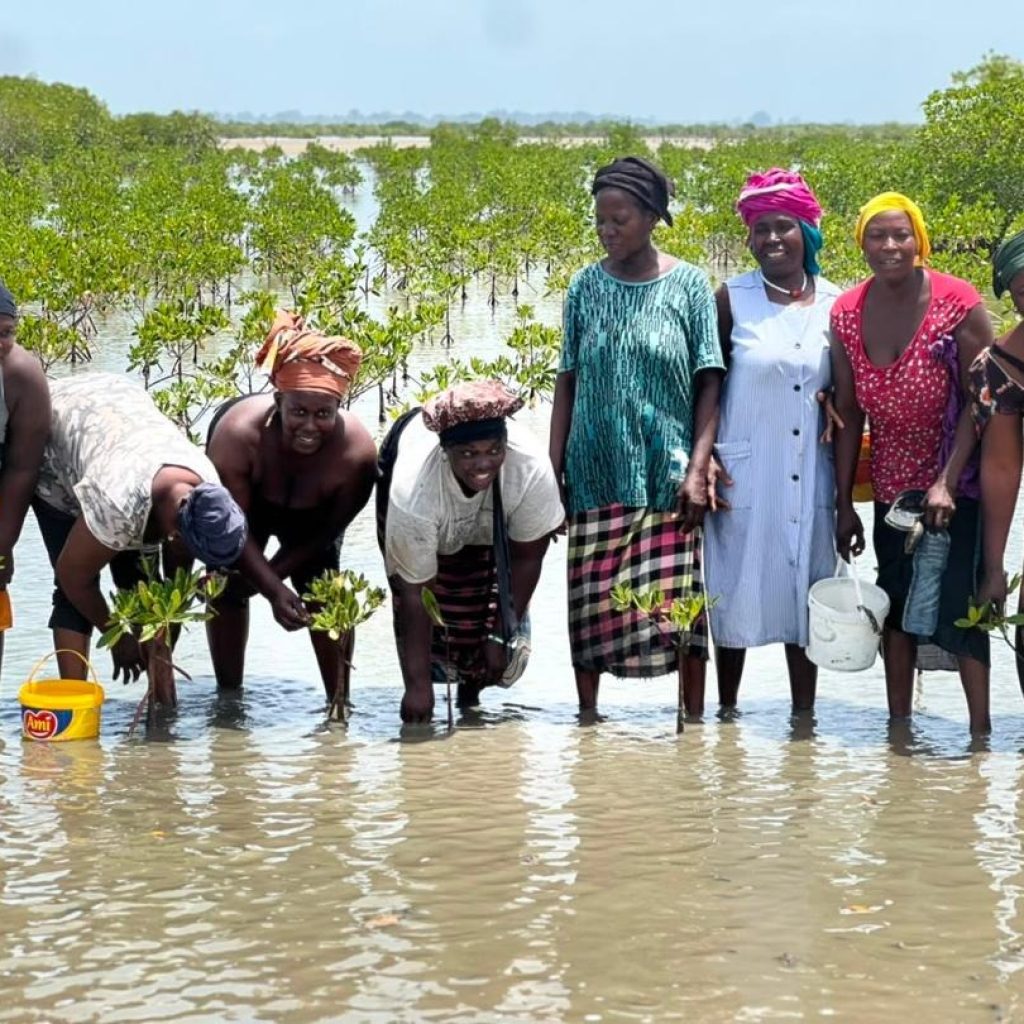
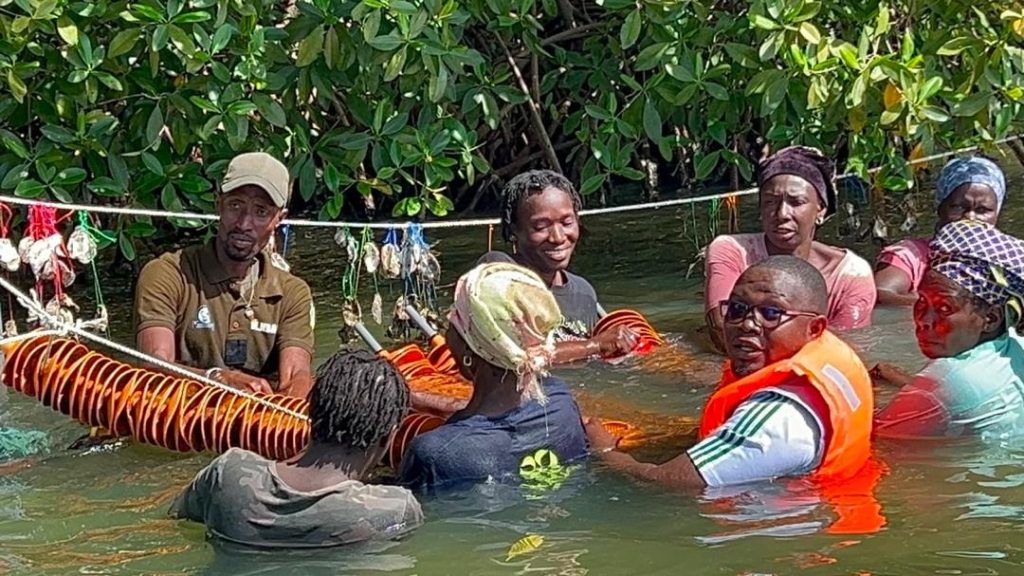
In the Ziguinchor region, BA has initiated and supervised mangrove restoration campaigns that have contributed to the restoration of more than 120 hectares of mangroves.
A3C’s work includes mangrove restoration camps, awareness activities and income-generating initiatives aimed at protecting ecosystems while supporting local livelihoods.
The organisation has also taken its work beyond ecosystem restoration.
In Dianki, A3C supported women to establish a market garden equipped with a small solar-powered borehole.
In Niaguis, the organisation supported women to establish an oyster-farming site, creating opportunities for livelihoods while encouraging the conservation of natural resources.
In Kagnobon, the focus on water access has shown BA how closely climate resilience can be connected to everyday needs.
“What makes me most proud is seeing communities move from being considered vulnerable to becoming active leaders of their own resilience,” he says.
For him, this is at the heart of climate justice: ensuring that climate action improves people’s daily lives while giving communities greater capacity to protect their environment and shape their future.
The transformation has not only happened within the communities. A3C itself has grown.
What began as a volunteer club focused on combating climate change developed into an association and later a structured NGO with employees and larger programmes.
Today, A3C also runs a programme collecting fisheries data within marine protected areas in Casamance. The information is intended to support conservation, sustainable management of fisheries and better decision-making.
BA has also captured part of his climate journey in his first book, My Commitment to the Earth: A Fight Against Climate Change, published by L’Harmattan. The book includes reflections on his experience at the Nairobi Summer School.
Looking back, BA describes the Summer School as more than an academic experience.
“It was a trigger and a source of inspiration for me,” he says.
For BA, the value of climate justice learning is ultimately measured by what happens after the training.
From Nairobi to Casamance, that learning has found expression in restored mangroves, improved access to water, women-led livelihoods and communities taking a stronger role in shaping their own resilience.
“Learning about climate justice must lead to action for climate justice,” BA says.