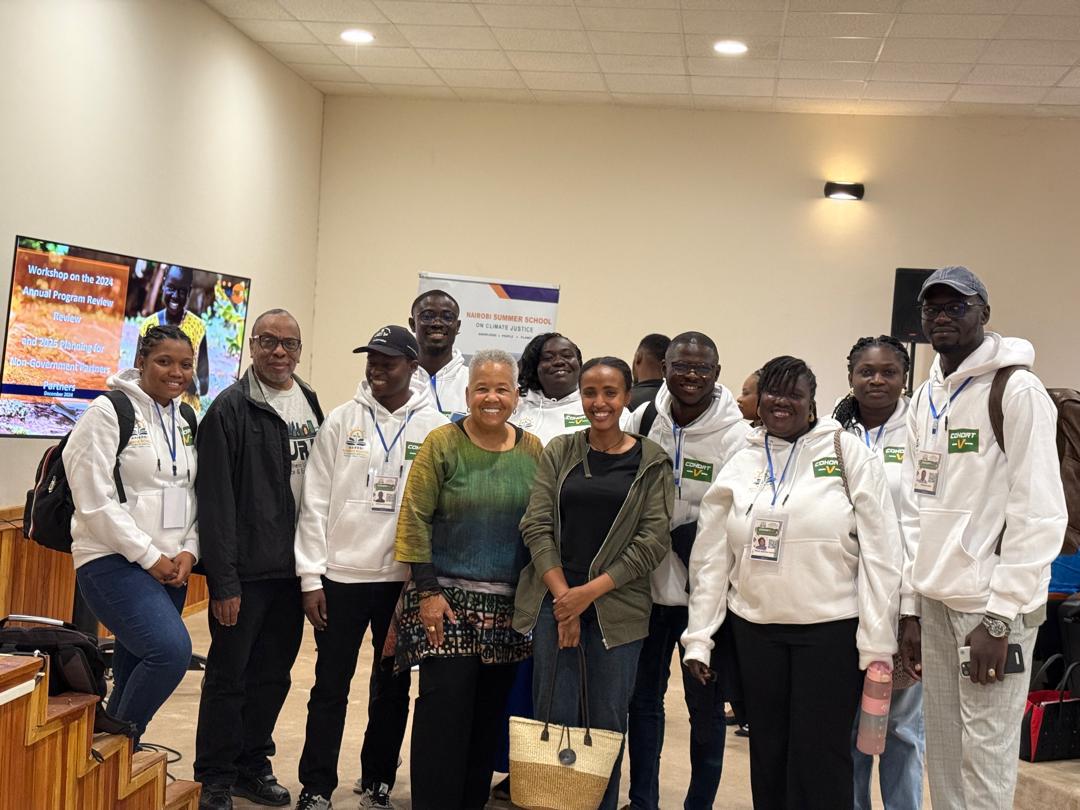
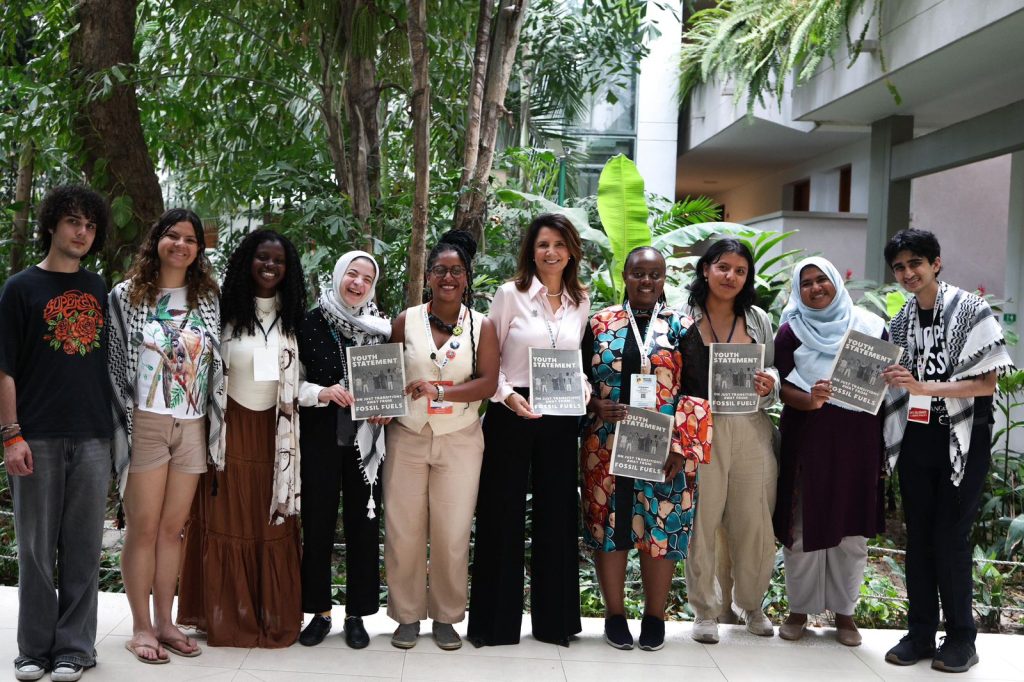
Kundai Ngwena, a Zimbabwean climate change advocate and alumna of the Nairobi Summer School on Climate Justice (NSSCJ) Cohort 5, participated in the Global Conference on Transitioning Away from Fossil Fuels held from 23 to 29 April 2026 in Santa Marta, Colombia.
The conference convened national and subnational governments, civil society organisations, academia, youth groups, and private sector actors to initiate a concrete process for advancing a just and equitable transition away from fossil fuels.
It aimed to identify practical pathways toward building sustainable societies and economies, informed by the perspectives of diverse stakeholders including workers, Indigenous Peoples, and communities from the Global South.
Ngwena is a multidisciplinary climate advocate working across women and gender, just energy transition, and climate diplomacy, with a strong focus on children and persons with disabilities. With professional experience in the mining sector, she brings insight into the transition from business, community, and labour perspectives. She currently serves as Head of Environmental Governance at the Africa Centre for Governance and is a member of networks such as FEMNET, YOUNGO, and AU ECOSOCC.
Q&A: Kundai Ngwena on Representing Youth Voices in Global Climate Dialogues
Q: You were elected as a spokesperson and observer for the youth and children constituency during the High-Level Dialogues. What does this role mean to you?
Kundai: This role is both an honour and a responsibility. It means that I am entrusted with amplifying the voices of young people, particularly from Africa, in spaces where decisions about our future are being made. It is an opportunity to ensure that youth perspectives are not just included, but taken seriously.
Q: How does this connect to your journey as a climate activist?
Kundai: My work has always focused on justice—especially for women, children, persons with disabilities and marginalized communities. Being in this role allows me to bring those realities into global conversations. My background in the mining sector also helps me speak to the real impacts of the energy transition on workers and communities and when push comes to shove bring to attentionthe technical aspect.
Q: What does your participation mean for the Nairobi Summer School on Climate Justice (NSSCJ)?
Kundai: NSSCJ plays a critical role in equipping young people with knowledge and advocacy skills. My participation shows how such platforms can prepare youth to engage meaningfully at global levels. It reflects the impact of investing in youth leadership. It also provides both formal and informal mechanisms of meaningful engagement.
Q: How do you plan to use this platform moving forward?
Kundai: I intend to continue advocating for a just energy transition that prioritizes people over profit and humanity over power. This includes pushing for reskilling programs, inclusive policies, and stronger accountability mechanisms. I also want to ensure African voices remain visible and influential in global climate processes.
Q: What key message did you bring to the conference?
Kundai: One key message was that the transition must be fair and inclusive and people centred, respecting humanity. This means addressing issues like debt, inequality, and the risk of false solutions. Without justice at the centre, the transition will not be sustainable.
Following her engagement in the dialogues, Ngwena also contributed to discussions at the People’s Assembly, where she shared insights from Africa’s context. She emphasized the need for debt cancellation as a key enabler of a just energy transition by correcting the wrongs of historical financing mechanisms and cautioned against false solutions that could delay meaningful progress and foster a shattered future.
Her participation reflects the growing influence of young African leaders in shaping global climate processes and highlights the role of the Nairobi Summer School on Climate Justice in preparing youth to engage in international policy and advocacy spaces.