For years, Africa’s youth have been described as “the leaders of tomorrow.” It sounds hopeful. It sounds encouraging. But in the context of climate change, it is dangerously misleading.
Because tomorrow is too late.
Across the continent, climate change is not a distant threat; it is already disrupting lives. Floods are washing away livelihoods, water sources are becoming unreliable, and food systems are under increasing pressure. These are not future risks. They are present realities.
And in the middle of this reality, young people are not waiting.
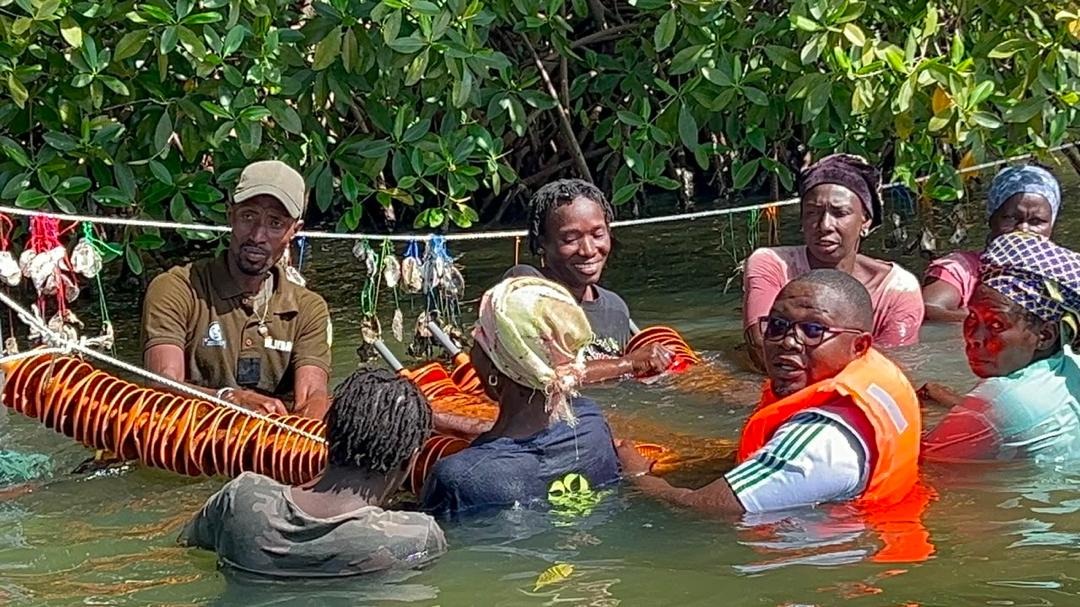
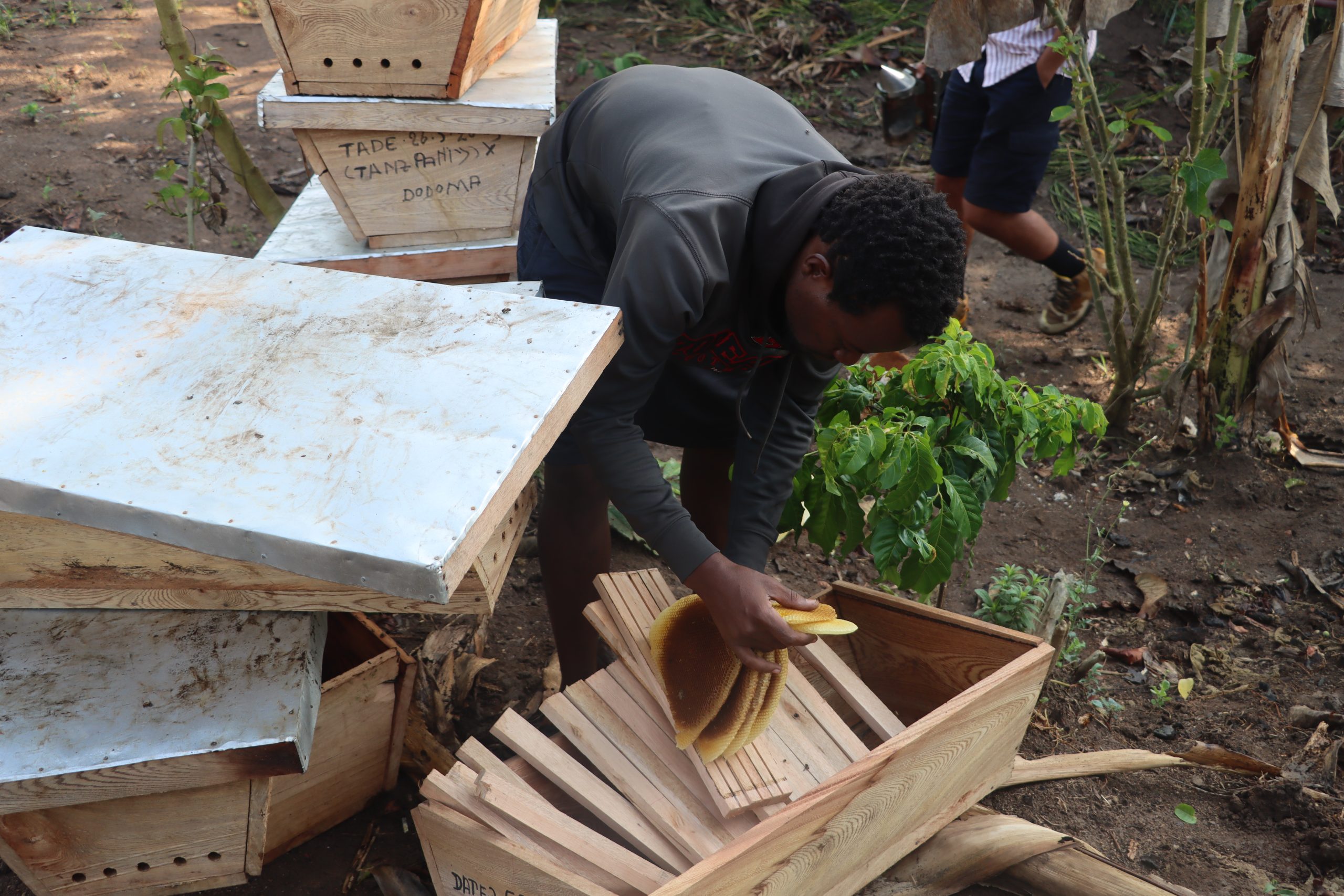
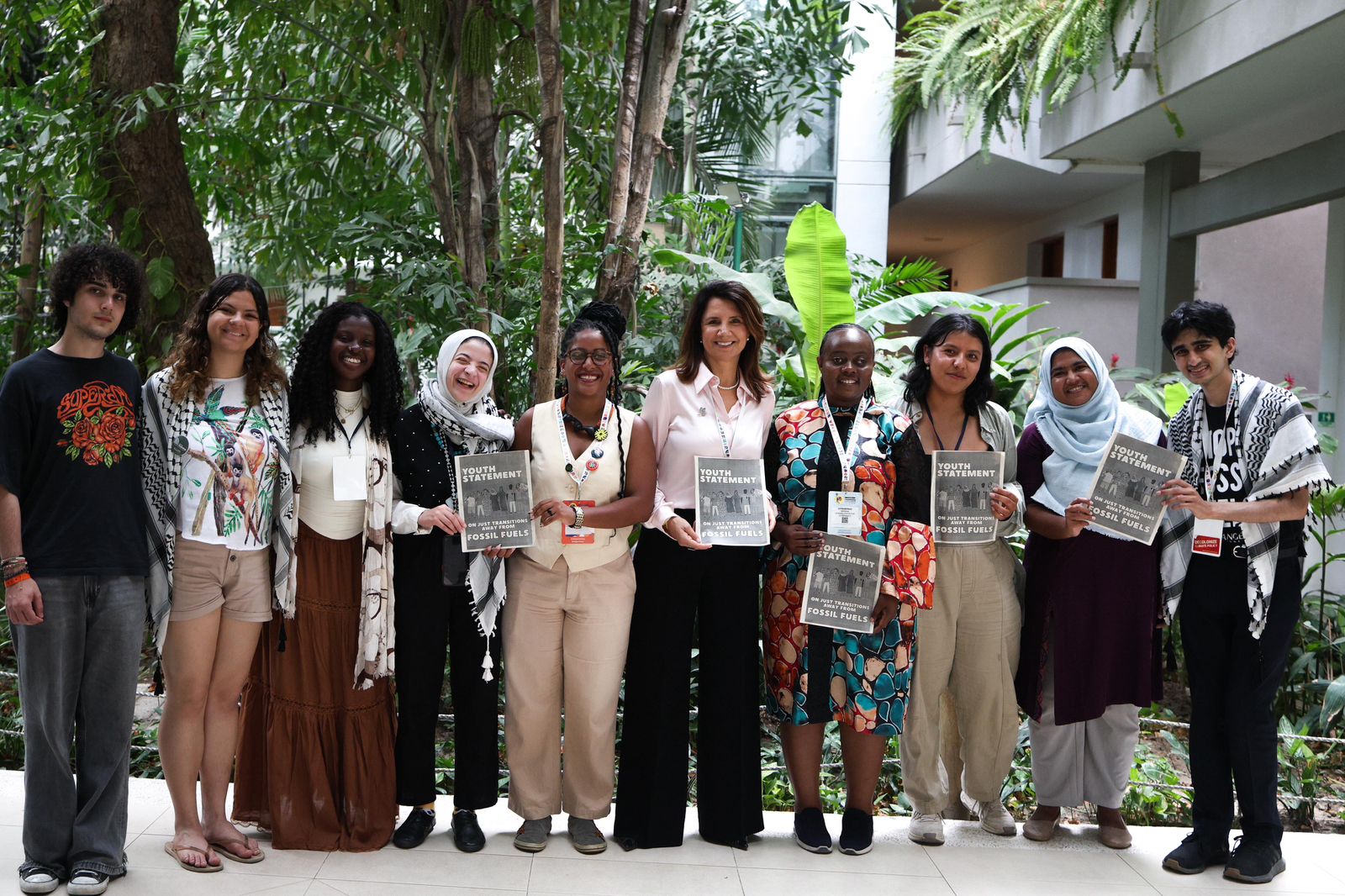
They are organizing communities, leading local initiatives, driving awareness, and building solutions with limited resources but relentless commitment. From urban neighborhoods to rural villages, youth are stepping into roles that go far beyond what is often expected of them, not as participants, but as practitioners.
Yet despite this, the dominant narrative continues to position youth as “future leaders,” sidelining their current contributions and limiting their access to decision-making spaces.
This must change.
Through my own work in community engagement, public health, and environmental sustainability, I have seen firsthand what happens when young people are given space not just to learn, but to lead. Solutions become more grounded. Communities become more engaged. Change becomes more sustainable.
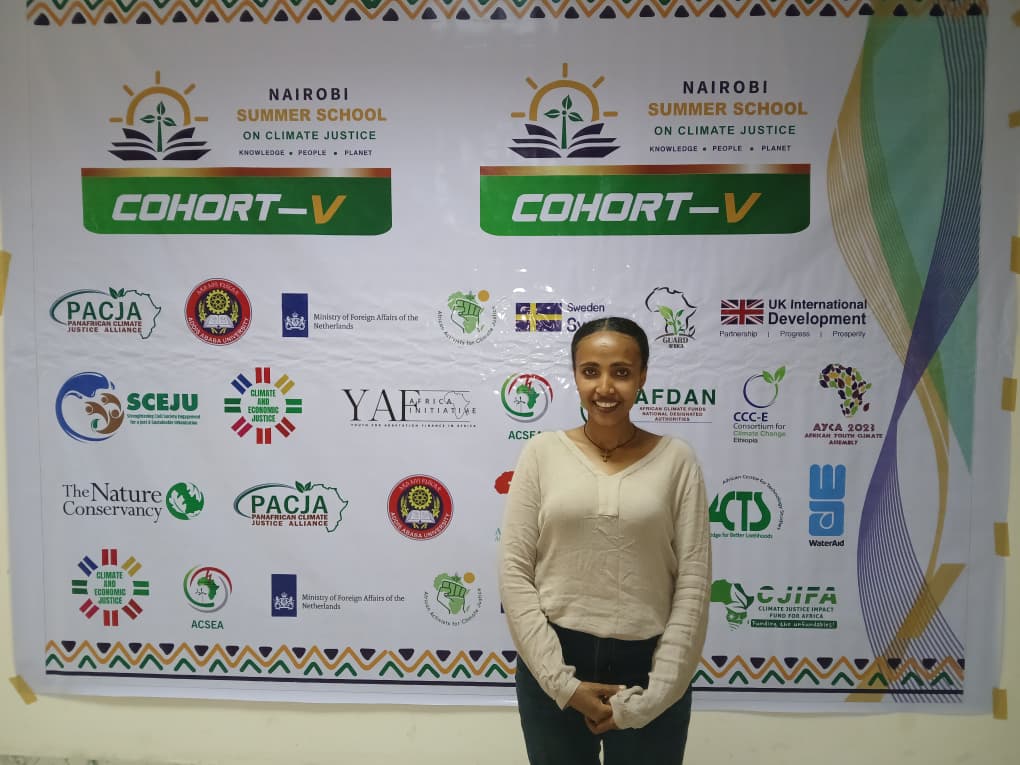
This is the foundation upon which Green Frame Africa (GFA) was built: an initiative I (Kadist Asrat from Ethiopia, Cohort V) co-founded with fellow NSSCJ-V alumni. What connects us is not just training, but a shared decision to act. Together, we are working within communities to promote climate awareness, strengthen WASH practices, and support locally driven responses to environmental challenges.
Our approach is simple: shift from telling communities what to do, to working with them to build what works.
Because climate action is not only about global commitments or high-level policies; it is about what happens at the community level, where impact is felt the most.
If Africa is to build climate resilience, it cannot afford to treat its largest and most dynamic population as a future asset. Youth must be recognized, supported, and trusted as present-day actors in shaping solutions.
This means moving beyond symbolic inclusion. It means investing in youth-led initiatives, integrating young people into decision-making processes, and creating systems that enable not limit their leadership.
The reality is clear: the climate crisis is accelerating. The response must accelerate with it.
And that response is already here.
In communities, in conversations, in action.
Led by young people who refused to wait.
Africa’s youth are not preparing to lead climate action.
They are already doing it.